
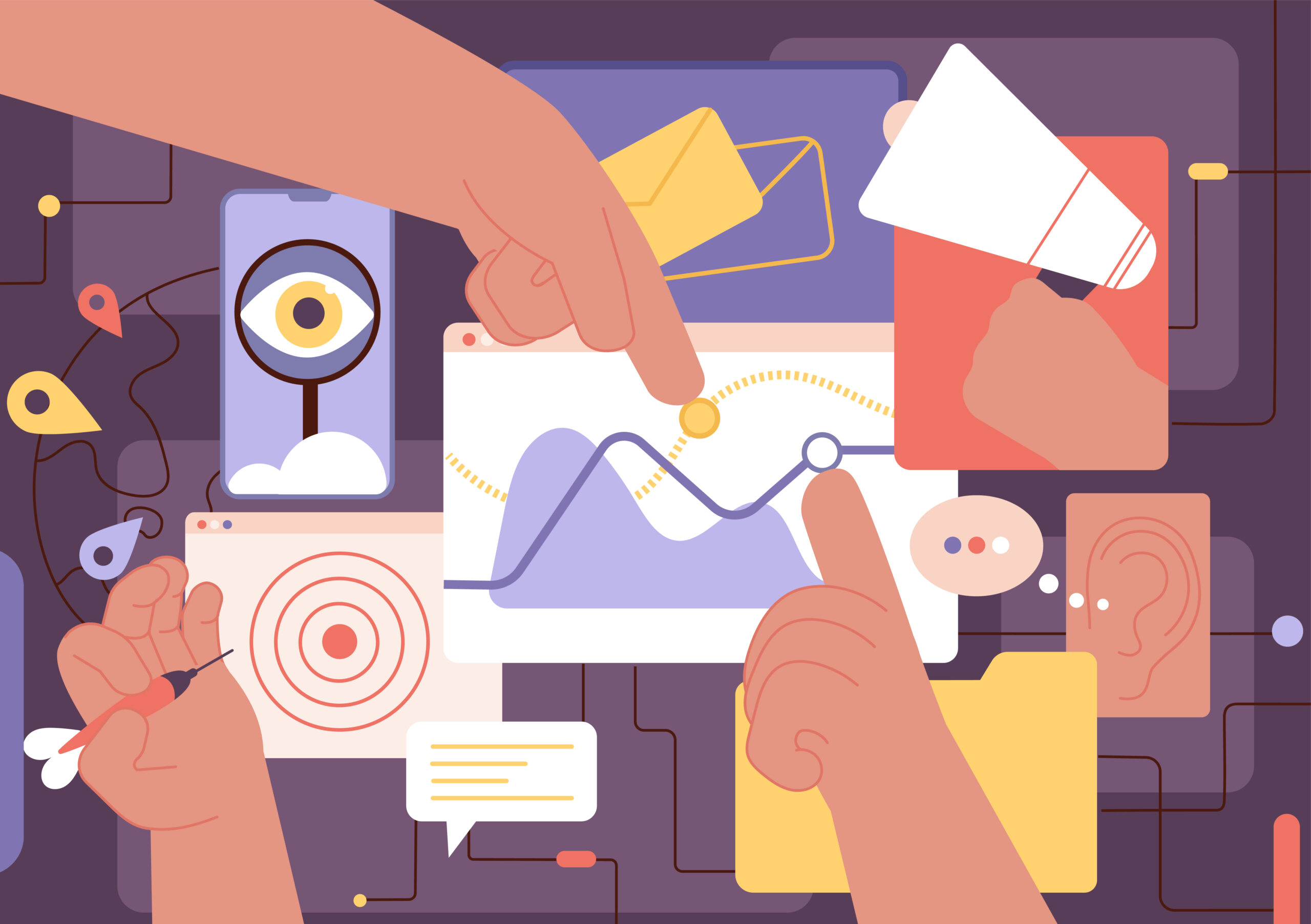
In today’s digital landscape, the phrase “one size fits all” has become obsolete, especially in the realm of online advertising. Businesses are recognizing the transformative power of personalization in creating meaningful connections with their audience. This article delves into the significance of personalized advertising and how it can unlock unparalleled success for brands navigating the competitive online marketplace.
Why Personalization Matters
Increased Engagement
Personalization allows brands to tailor messages and offers based on individual customer preferences and behaviors. As a result, personalized ads can capture attention more effectively than generic campaigns. Research shows that customers are 80% more likely to engage with personalized content. When users feel that ads speak directly to them, they are more likely to take action—whether it’s clicking through to a website, subscribing to a newsletter, or making a purchase.
Enhanced Customer Loyalty
Personalized experiences cultivate emotional connections, fostering customer loyalty. When consumers receive recommendations or offers that resonate with their interests, they develop a sense of belonging with the brand. This loyalty not only encourages repeat visits but also amplifies word-of-mouth marketing, as satisfied customers are likely to share their positive experiences with others.
Improved Conversion Rates
The ultimate goal of any advertising campaign is to convert viewers into customers. Personalization plays a crucial role in achieving this goal. By analyzing customer data—like browsing behaviors and purchase history—businesses can create highly relevant ads that cater to the unique needs of their audience. Reports indicate that personalized ads can lead to a 10-15% increase in conversion rates, showcasing the tangible benefits of targeted advertising strategies.
Implementing Personalization Strategies
Data-Driven Insights
The first step to effective personalization is harnessing data. Businesses can utilize analytics tools to gain insights into customer behaviors, demographics, and preferences. This information helps craft tailored messages that resonate deeply with specific segments of the audience. The more data you collect, the more accurate your personalization efforts will be.
Segmentation
Segmentation divides your audience into distinct groups based on shared characteristics. This approach allows you to create targeted campaigns that address the needs of each segment. Whether it’s age, gender, location, or purchase history, segmentation enables you to speak directly to each group, improving relevance and engagement.
Dynamic Content
Using dynamic content—such as personalized emails, product recommendations, or targeted ads—can significantly enhance user experience. By displaying content that evolves based on user interactions, brands can create a seamless, engaging journey that captivates potential customers.
A/B Testing
A/B testing is a powerful technique for determining which personalized strategies resonate best with your audience. By comparing two versions of an ad or landing page, marketers can identify what elements lead to higher engagement and conversion rates. Continuous testing and optimization ensure that your campaigns remain effective and relevant.
Conclusion
In the competitive world of online advertising, personalization is not just a trend; it’s a necessity. By leveraging data-driven insights, segmentation, dynamic content, and A/B testing, businesses can create tailored experiences that resonate with their audience. As brands embrace the power of personalization, they will unlock new levels of engagement, loyalty, and ultimately, success.
Investing time and resources in personalized advertising strategies will not only enhance customer relationships but also drive tangible results, making it a key component in your digital marketing arsenal. Start personalizing your campaigns today and watch as they transform your audience into loyal customers.